
Following · Space systems
Out of reach is not out of bounds.
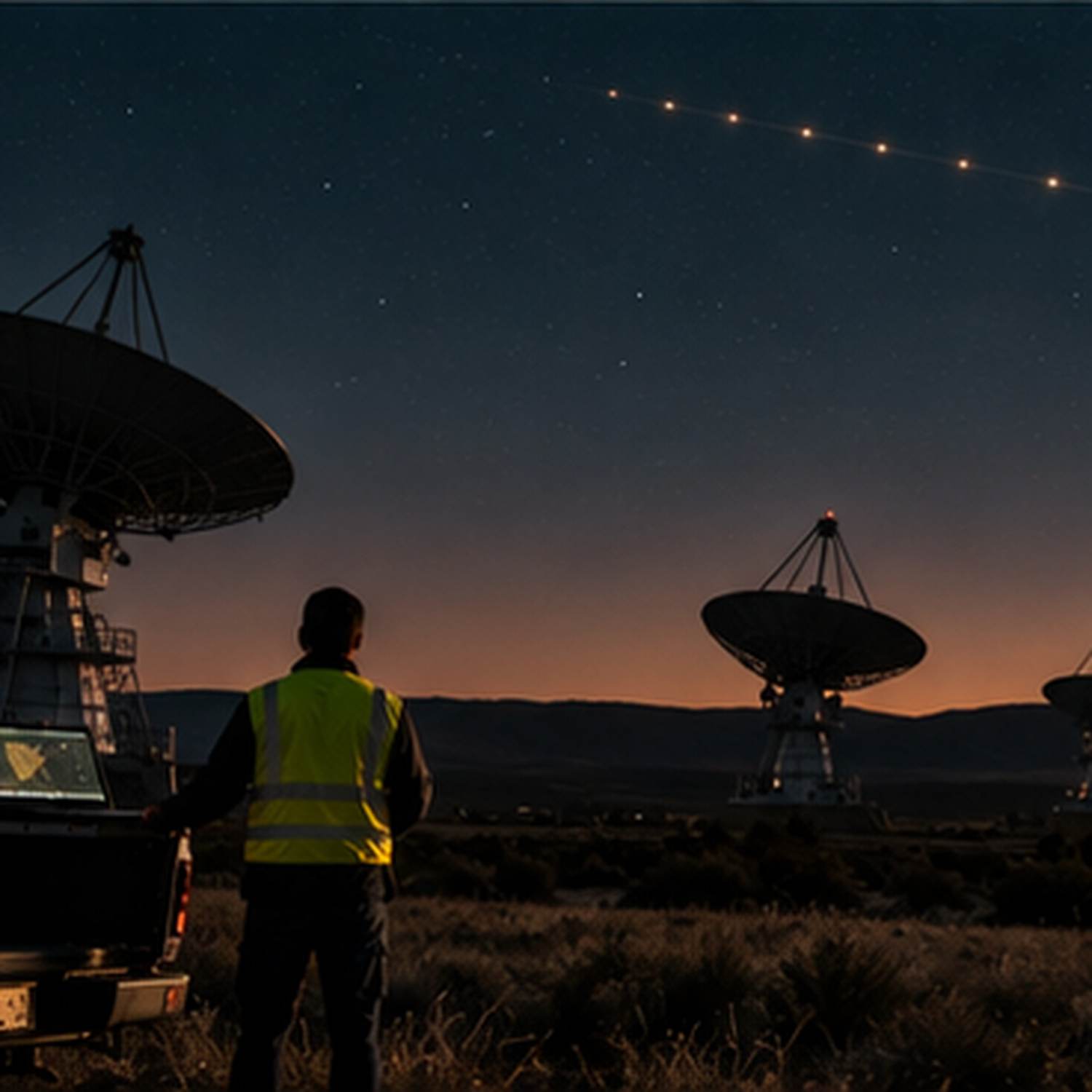
A spacecraft acts alone for most of its life. Ground contact is a window, not a leash: commands cross contested links, and autonomy fills the gaps between passes. Space is where command authority matters most, because nobody can walk over and hit the stop button.
What PEC-1 enforces here
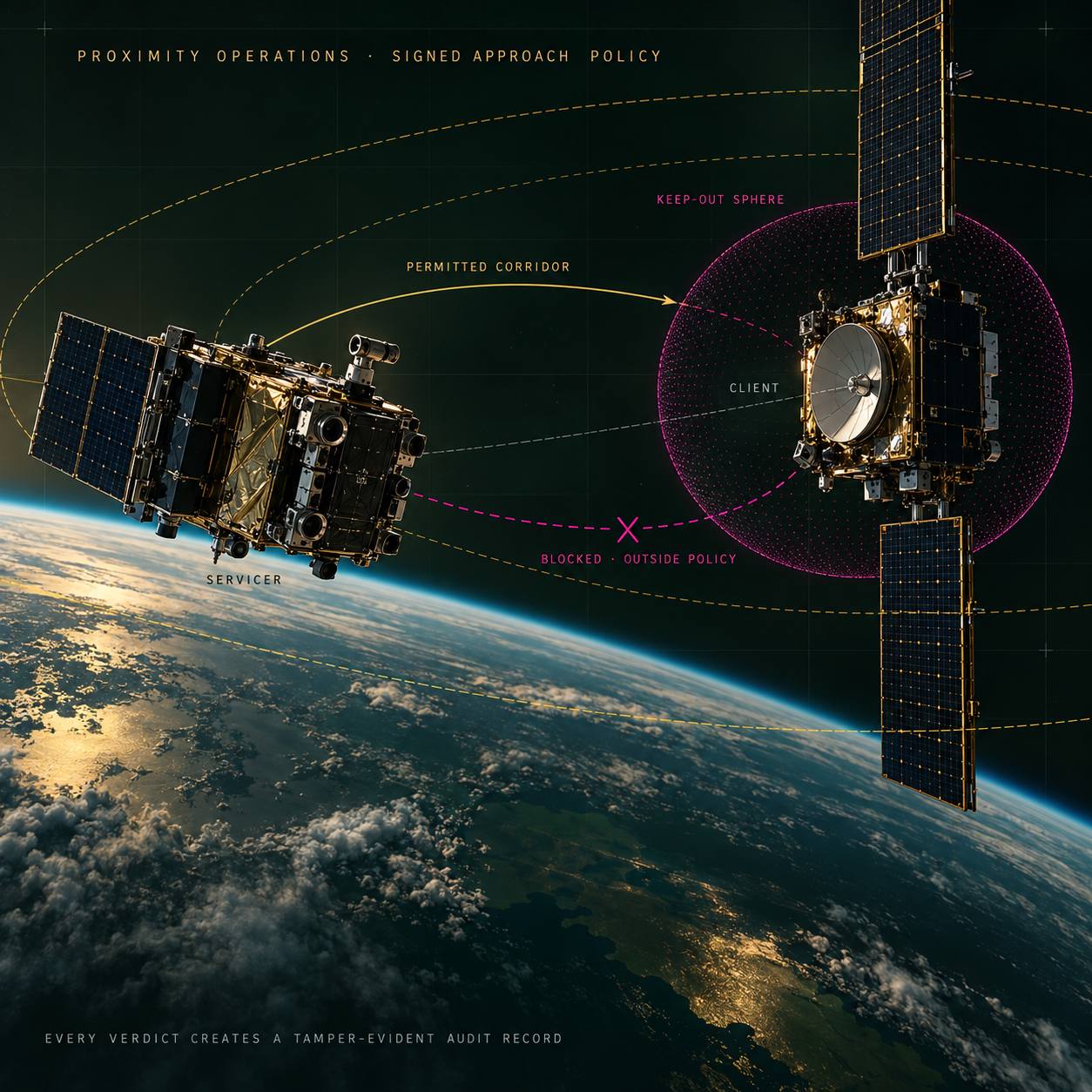
Proximity operations under signed policy On-orbit servicing and inspection put one spacecraft metres from another, with closing velocities that become unrecoverable in seconds. PEC-1 holds the approach corridor, keep-out sphere, and thruster authority as signed policy at the actuation boundary, so a guidance error or a compromised autonomy stack cannot command a protected manoeuvre outside the approved envelope. The safest failure mode is bounded behaviour: hold, retreat corridor, safe-state response per policy.
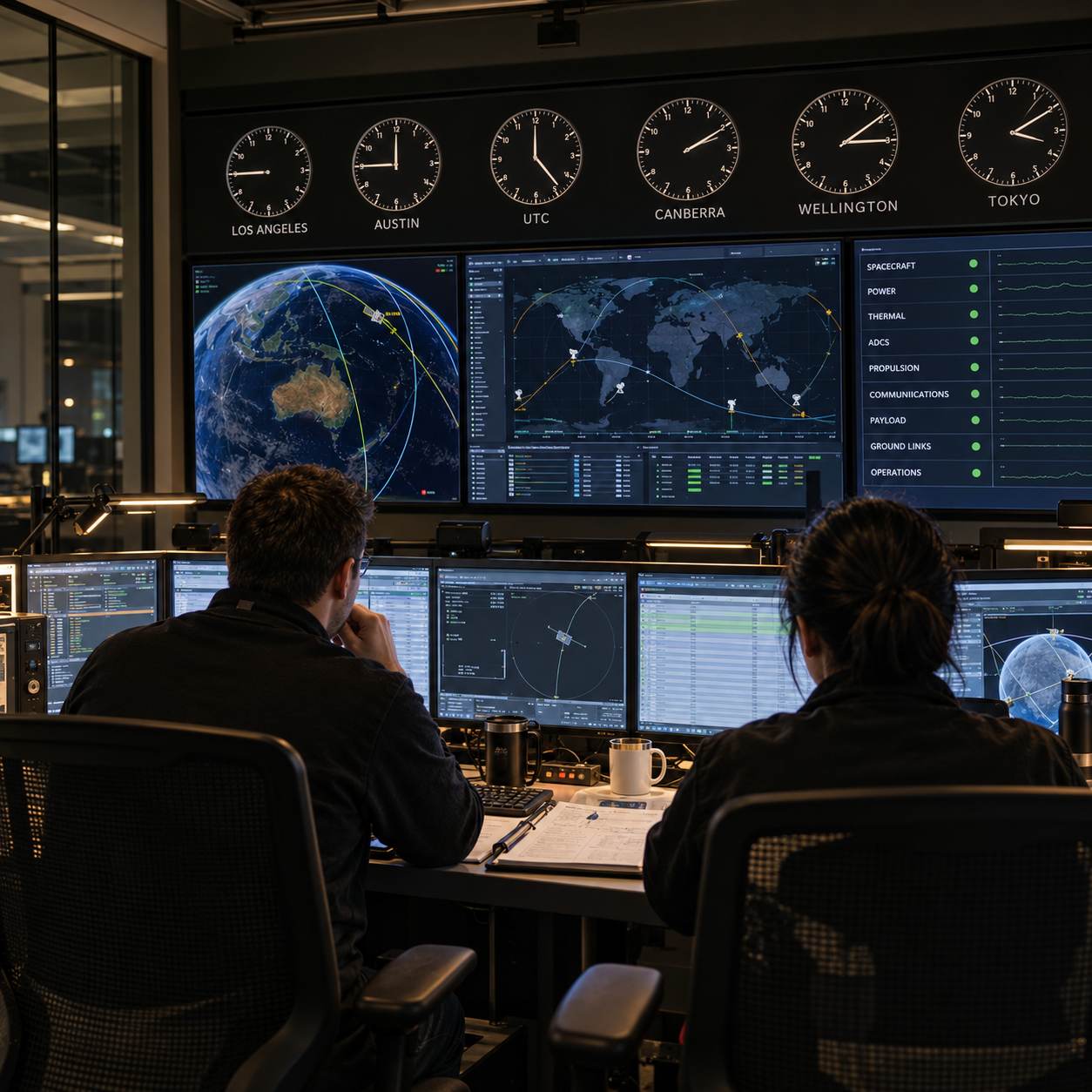
Command authority at the ground segment The most consequential commands a spacecraft receives are rare and irreversible in effect: collision-avoidance manoeuvres, deorbit burns, payload release. These are decisions people should sign. With PEC-1 in the command path, uplinked authority is verified in hardware: authorised requesters, two-person signing for high-consequence commands, and a tamper-evident audit record of how every protected command was evaluated and enforced.
Constellation autonomy, bounded Constellations increasingly propose their own manoeuvres. That autonomy is valuable exactly up to the boundary of permission. PEC-1 lets an operator grant real autonomy inside signed limits: station-keeping envelopes, manoeuvre budgets, coordination rules: and escalate anything outside them to a defined safe-state response.
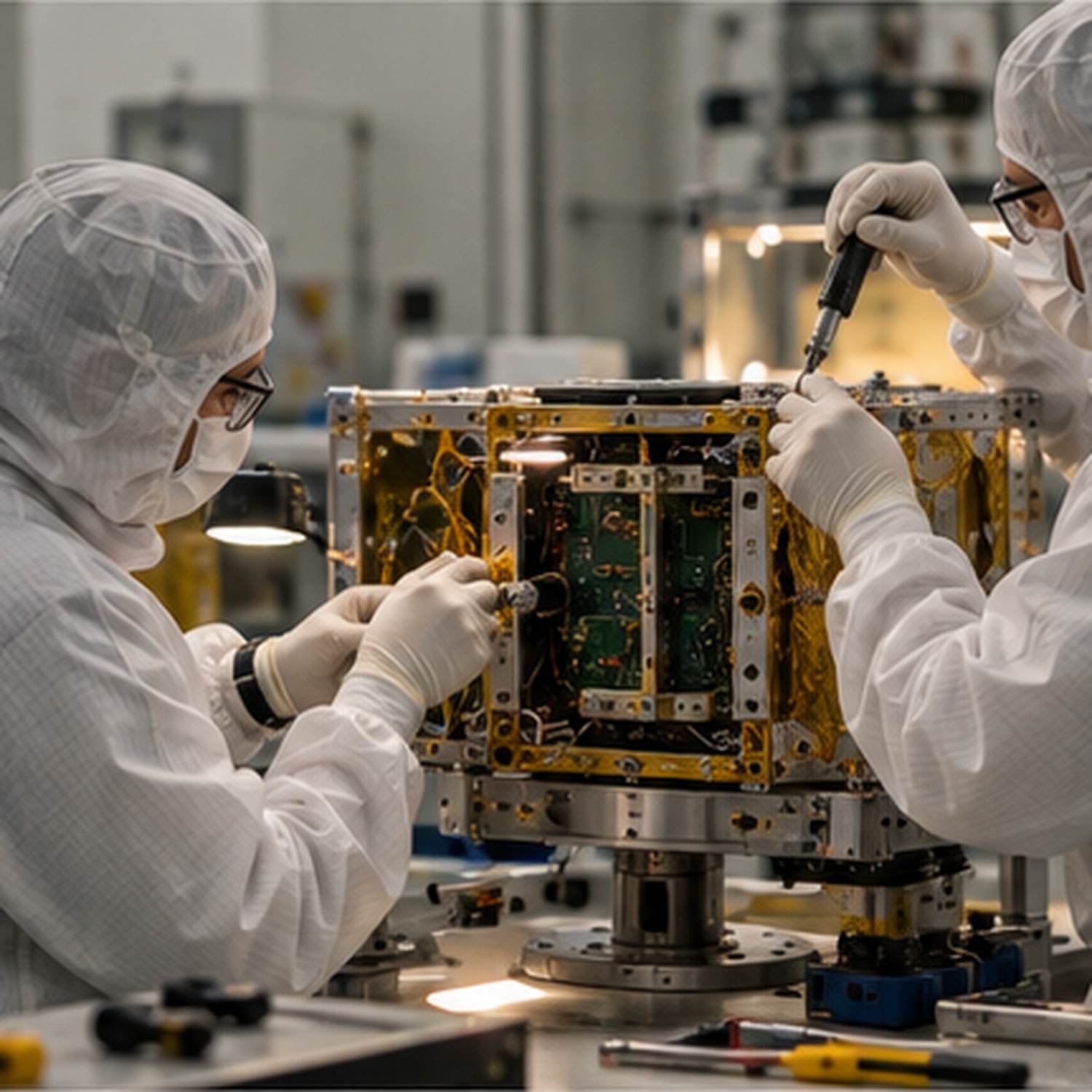
Astraea is designed in Australia for allied adoption: relevant where sovereign space programs and allied missions need trust hardware of their own.
People sign. Silicon enforces. Even at 500 kilometres.